· By Hermes iMedia Editor · reviewed and approved October 21, 2026 · 16 reads
Chef Junzo Miyajima, the Father of the Izakaya in the DMV: The Best Way to Order at an Izakaya, Explained From His Own Menu
Kanpai, torizara, binchotan, highball: the words that make an izakaya easy, explained through the menu Chef Junzo Miyajima wrote for Genki Izakaya in Fairfax. Who he is, why we call him the father of the izakaya in the DMV, and the best way to order your first night.
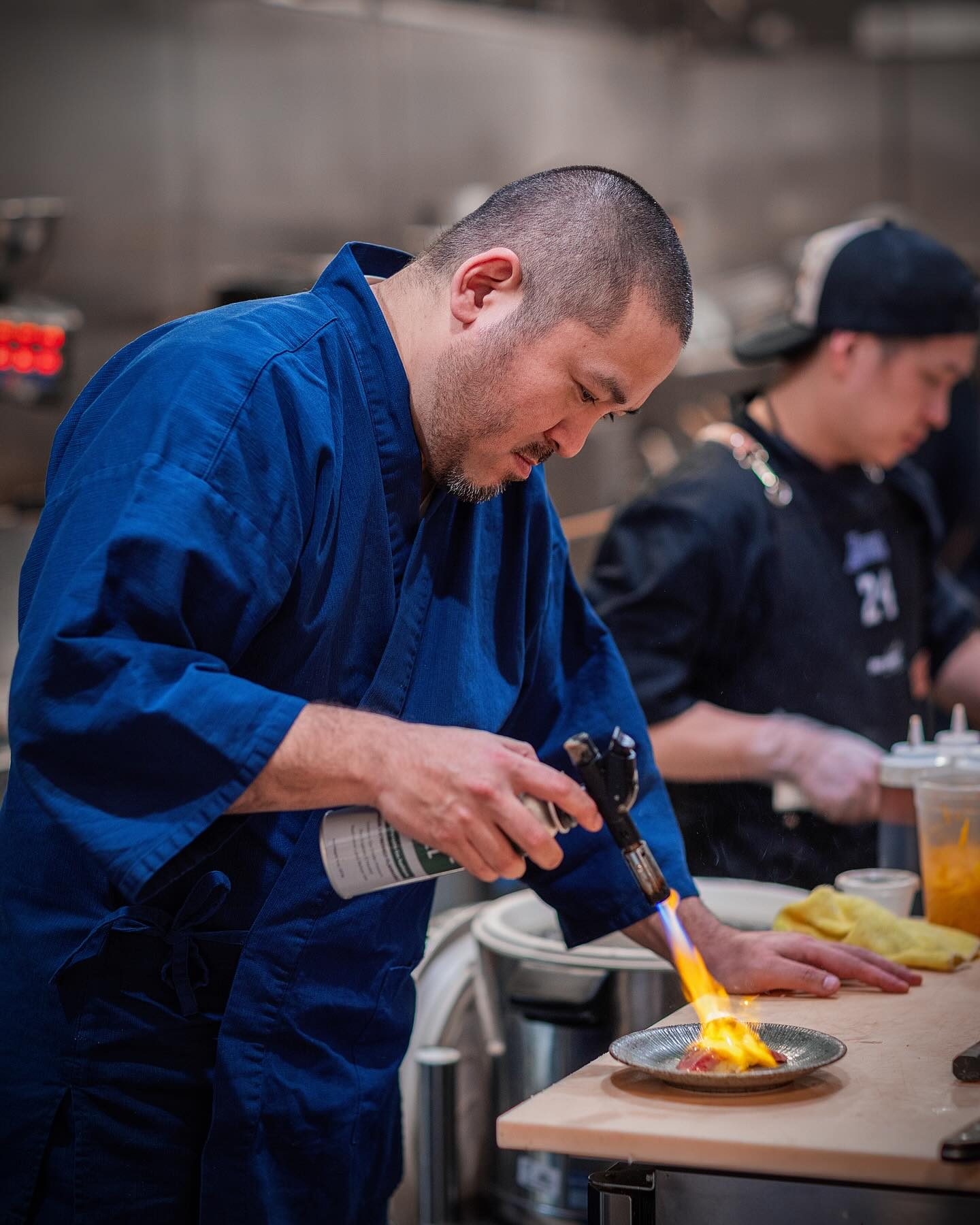
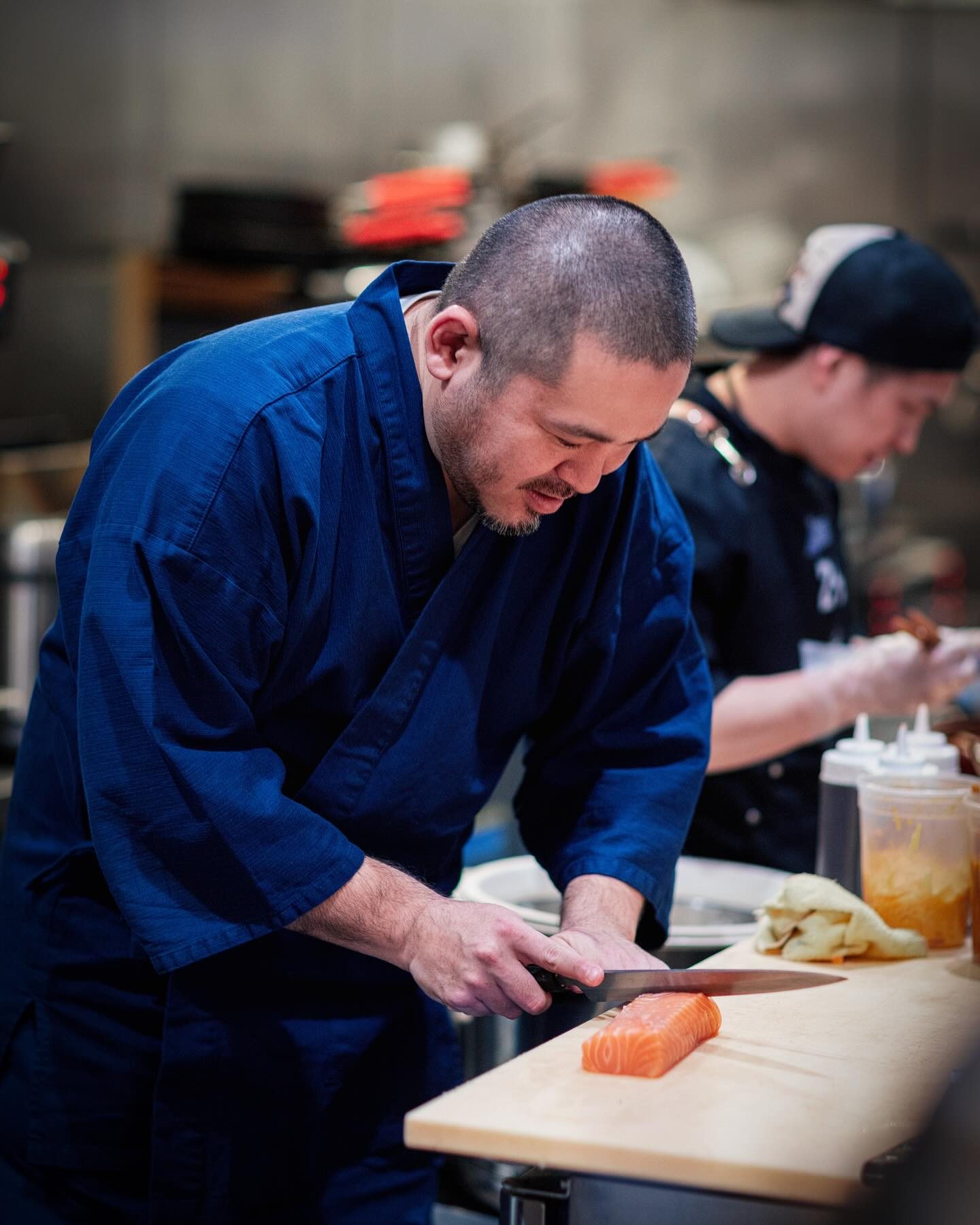
Chef Junzo Miyajima wrote the menu at Genki Izakaya, at 9508 Fairfax Boulevard in Fairfax, VA. He is IVEA's Executive Master Chef, and he has opened more izakayas across Washington, Maryland and Virginia than anyone we know: Genki Izakaya in Fairfax, Izakaya Nana in Chantilly and Izakaya 68 in Hunt Valley, after Kaiju Ramen on Barracks Row, which the Washingtonian called "this monster-themed izakaya." That is why we call him the father of the izakaya in the DMV.
Where he learned it. Born in Saitama Prefecture, Junzo started cooking at 20 and, as Genki wrote when introducing him, "honed his skills in the kitchens of Tokyo's bustling izakayas." In New York he cooked at EN Japanese Brasserie in Greenwich Village, Hill Rag reported. His menus bring that izakaya habit to the DMV: many small plates, all made to share.
The words that make it easy. Izakaya is written 居酒屋: to stay, sake and house. The Japan National Tourism Organization calls it "a casual Japanese pub serving drinks and a variety of food," informal, inexpensive and fun. Food is shared from the middle of the table, and each guest gets a torizara, a small plate for taking a portion. Kanpai means cheers. Binchotan is the dense white charcoal Genki grills its skewers over.
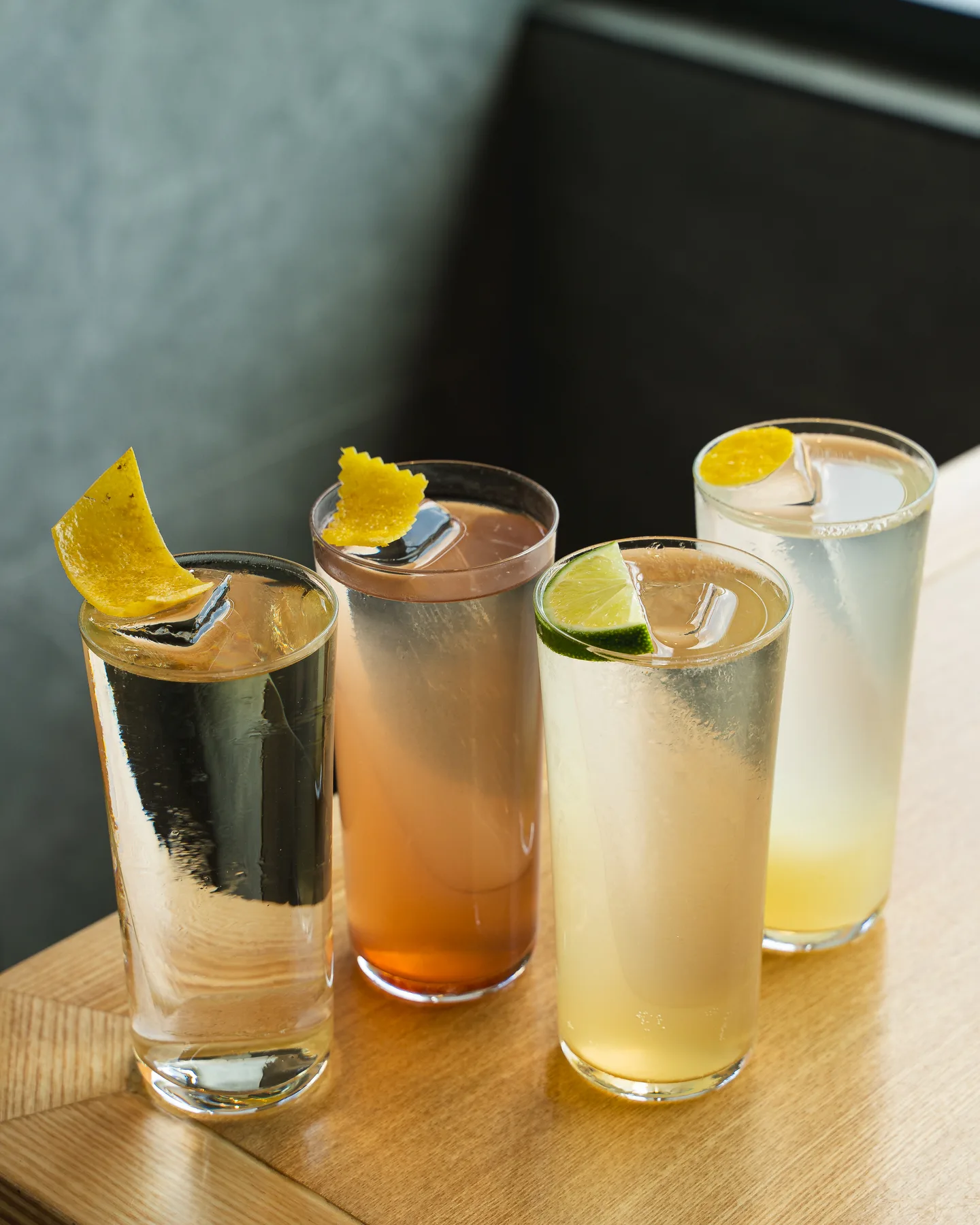
Step one: a drink first. An izakaya night starts with kanpai. At Genki, that usually means a highball, whisky and soda over clear ice. The Washingtonian called them "some of the most stunning highballs around." The Classic Toki Highball is $14; the Hojicha Highball, with a shiso leaf, is $16. Add Kuro Edamame ($7) for the table.
Step two: skewers off the binchotan. Order a few at a time so they arrive hot: Negima, chicken thigh with leek, and Butabara, pork belly, are $4 each, and Gyu-Harami, beef skirt, is $6. The Yakitori Platter ($21) gives you five kinds at once. Northern Virginia Magazine described Genki's crowd as "youthful Japanophiles" gathering "for kushiyaki (grilled skewers), tornado omurice, and udon in creamy cod roe sauce."
Step three: something raw, something torched. The Torched Sea Fatty Salmon ($22 for five pieces) shows the Genki style: a quick pass of flame that melts the fat. The Chef's Choice sampler is $20 for six pieces.
Step four: the rice or noodles that end the night. Izakaya meals usually finish with something filling. Junzo's is the most famous on the menu: the Tornado Omelet Fried Rice, $24, which the restaurant calls the dish guests mention most. Mentaiko Udon, in a creamy, spicy cod roe sauce, is $18.
Our best first-night order for two. Two highballs and edamame, then Negima, Butabara and Gyu-Harami, then Torched Sea Fatty Salmon, then one Tornado Omelet Fried Rice to share. Order in rounds; that is the whole point of an izakaya.
Sources
- https://www.ivea.co/journal/chef-junzo-miyajima-saitama-to-dmv
- https://www.instagram.com/p/C40bQJ0OA8-/
- https://www.japan.travel/en/guide/dinner-at-a-japanese-tavern/
- https://www.genkiizakaya.com/
- https://www.genkiizakaya.com/menu
- https://washingtonian.com/2026/03/12/favorite-cocktails-drinks-in-dc-area/
- https://northernvirginiamag.com/food-and-drink/2024/03/05/7-japanese-restaurants-to-satisfy-any-craving/
- https://northernvirginiamag.com/food-and-drink/2025/12/22/7-northern-virginia-izakaya-style-restaurants-for-japanese-bites/
- https://washingtonian.com/2022/08/18/cheap-our-10-favorite-new-restaurants/
- https://www.hillrag.com/2022/01/20/forty-layers-of-lasagna-at-lardente/